What Is Cosmetic Bonding? A Comprehensive Guide
Are you tired of hiding your smile due to chipped, stained or uneven teeth? Cosmetic bonding might be the solution you’ve been looking for! This simple and affordable dental procedure can transform your smile in just one visit. In this comprehensive guide, we’ll explain what cosmetic bonding is, how it works, and why it’s a popular choice among many people. Whether you’re curious about improving your confidence with a perfect set of pearly whites or simply interested in learning more about dental procedures: keep reading to find out everything there is to know about cosmetic bonding!
Introduction to cosmetic bonding
If you’re considering cosmetic bonding, you may be wondering what the procedure entails. Cosmetic bonding is a type of dental procedure that can improve the appearance of your teeth. It involves the use of a putty-like resin that is applied to the teeth and then hardened with a special light. The resin is then shaped and polished to give the tooth a natural-looking appearance.
Cosmetic bonding can be used to correct a variety of dental problems, such as chipped teeth, cracked teeth, gaps between teeth, and misshapen teeth. It can also be used to change the color of your teeth or to make them look longer or shorter. The procedure is generally quick and easy, and it can be done in one or two visits to the dentist.
If you’re interested in learning more about cosmetic bonding, read on for a comprehensive guide to the procedure.
What is cosmetic bonding?
Cosmetic bonding is a type of dental procedure that can improve the appearance of your teeth. It involves the use of a tooth-colored resin material, which is applied to the teeth and then hardened with a special light. Bonding can be used to change the color, shape, or size of your teeth, and it can also be used to fill in gaps between teeth.
Advantages of cosmetic bonding
There are many advantages of cosmetic bonding, which is why it has become such a popular treatment option for improving the appearance of teeth. Some of the main advantages of cosmetic bonding include:
It can be used to quickly and easily enhance the appearance of teeth.
It is a relatively non-invasive procedure.
It can be used to address a wide range of aesthetic concerns.
It is generally a more affordable option than other cosmetic dental treatments.
If you are considering cosmetic bonding, consult an experienced cosmetic dentist to learn more about whether this treatment option is right for you.
Types of dental bonding materials
There are three main types of dental bonding materials: direct, indirect, and composite resins.
Direct bonding materials are used when the tooth damage is small and only affects the front surface of the tooth. The most common type of direct bonding material is composite resin, which is a putty-like substance that is applied directly to the tooth and hardened with a special light. Once the composite resin has hardened, it can be shaped and polished to match the surrounding teeth.
Indirect bonding materials are used when the tooth damage is more extensive or if the tooth needs to be strengthened with a metal or porcelain restoration. The most common type of indirect bonding material is porcelain, which is bonded to the tooth with a metal or ceramic framework.
Composite resins are also used as an indirect bonding material in some cases. Composite resins are made from a mixture of glass and plastic particles that are bonded together with a special adhesive. Composite resins can be used to create strong, durable bonds between teeth and metal or porcelain restorations.
Steps involved in the process
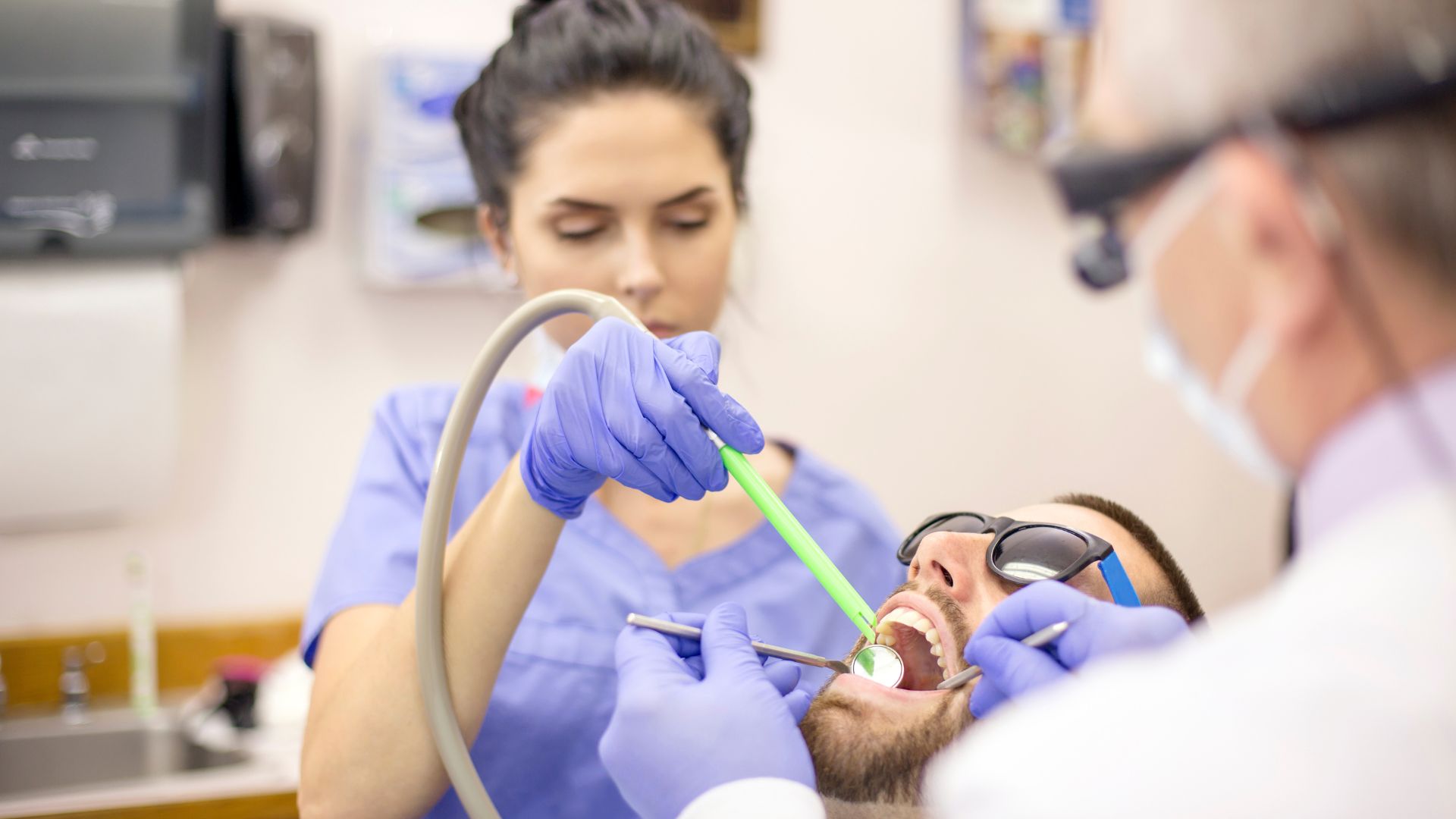
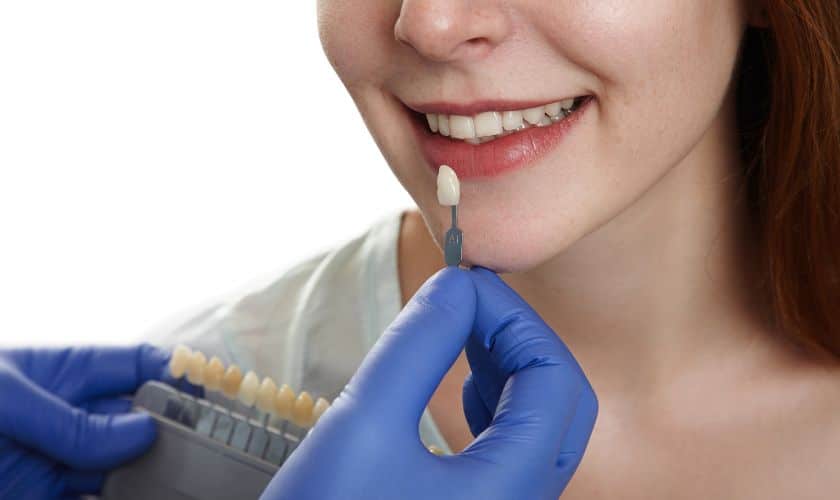
There are several steps involved in the cosmetic bonding process. First, your dentist will clean and prep your teeth by removing any surface stains and rough spots. Next, they will apply a bonding agent to your teeth which will help the composite material adhere to your teeth. Once the bonding agent is in place, your dentist will carefully select the right shade of composite material and shape it to match your natural tooth structure. They will then harden the material using a special light, and finally polish it for a natural-looking finish.
Maintenance and care for bonded teeth
Bonded teeth require special care and maintenance. Here are some tips to keep your bonded teeth healthy and looking their best:
• Brush and floss your teeth at least twice a day. Be sure to use gentle, circular motions when brushing your bonded teeth.
• Avoid chewing on hard objects, such as ice or hard candy. This can damage the bond or chip the tooth.
• See your dentist regularly for checkups and cleanings. Your dentist can check the bond and make sure it is still intact.
Alternatives to cosmetic bonding
If you’re not interested in cosmetic bonding, there are plenty of other ways to improve the appearance of your teeth. You could get veneers, which are thin pieces of porcelain that are bonded to the front of your teeth. Or you could get crowns, which are caps that cover your entire tooth. You could also get teeth whitening treatments to make your teeth look brighter and more polished.
Cosmetic bonding is a versatile and safe method of improving the appearance of teeth that has been proven to be effective over time. By understanding what it is, its benefits, and any potential risks associated with it, you can make an informed decision whether or not cosmetic bonding is right for you. Talk to your dentist about whether this procedure may be suitable for your needs – they’ll provide more information on the best course of action depending on your individual circumstances.