
Finding the Right Dentist – Your Partner in Oral Health Care
Are you looking for a dentist who can help keep your pearly whites healthy and shining bright? Regular dental visits are essential to maintaining good oral health, but finding the right dentist can be tricky. After all, this is someone who will have a significant impact on your overall well-being! In this blog post, we’ll guide you through the process of finding the perfect dental partner for your needs. From what to expect during a visit to common procedures and at-home care tips, we’ve got you covered. Get ready to smile with confidence knowing that you’re in great hands with your new dental professional!
Why Regular Dental Visits Are Important
Regular dental visits are critical to maintaining good oral health and preventing serious issues. Even if you brush and floss regularly, it’s essential to see a dentist at least twice a year for checkups. During these visits, your dentist will examine your teeth, gums, tongue, and other parts of your mouth to ensure that everything is healthy. One of the main reasons why regular dental visits are crucial is because they allow dentists to detect problems early on before they become more severe. For instance, gum disease can be treated successfully in its early stages but can lead to tooth loss without proper care. Additionally, routine cleanings help remove plaque buildup that brushing alone cannot eliminate. Moreover, regular dental checkups not only prevent oral diseases but also boost overall health. Poor oral hygiene has been linked with various illnesses such as diabetes and heart disease. Regular dental exams catch these symptoms earlier than expected so that patients can receive prompt treatment at an early stage.
Scheduling regular appointments with a dentist should be a priority for everyone who wants to maintain excellent oral hygiene throughout their lives while improving their general well-being too!
How To Find the Right Dentist For You
Finding the right dentist for you can seem overwhelming, but it doesn’t have to be. The first step is to ask your friends and family for recommendations. They may be able to provide valuable insight into their experiences with local dentists. Another option is to use online resources such as review websites or social media platforms like Facebook groups. These can give you an idea of what others think about a particular dentist’s skills, bedside manner, location, and availability. Once you have narrowed down your list of potential dental providers, take some time to research their credentials and experience. Look for dentists who are licensed by the state board and have received proper training in their specialty area.
It’s also important to consider the location of the dental office and its hours of operation. Choose a provider that is convenient for you based on where you live or work. Additionally, check if they offer appointments during evenings or weekends so that they fit into your schedule. Don’t hesitate to visit prospective offices before making a final decision. This will allow you to meet with staff members and see firsthand how they operate while assessing their level of cleanliness.
Finding the right dentist takes time but by following these steps should set yourself up with someone who provides quality care tailored specifically towards your needs – ensuring optimal oral health!
What To Expect During A Dental Visit
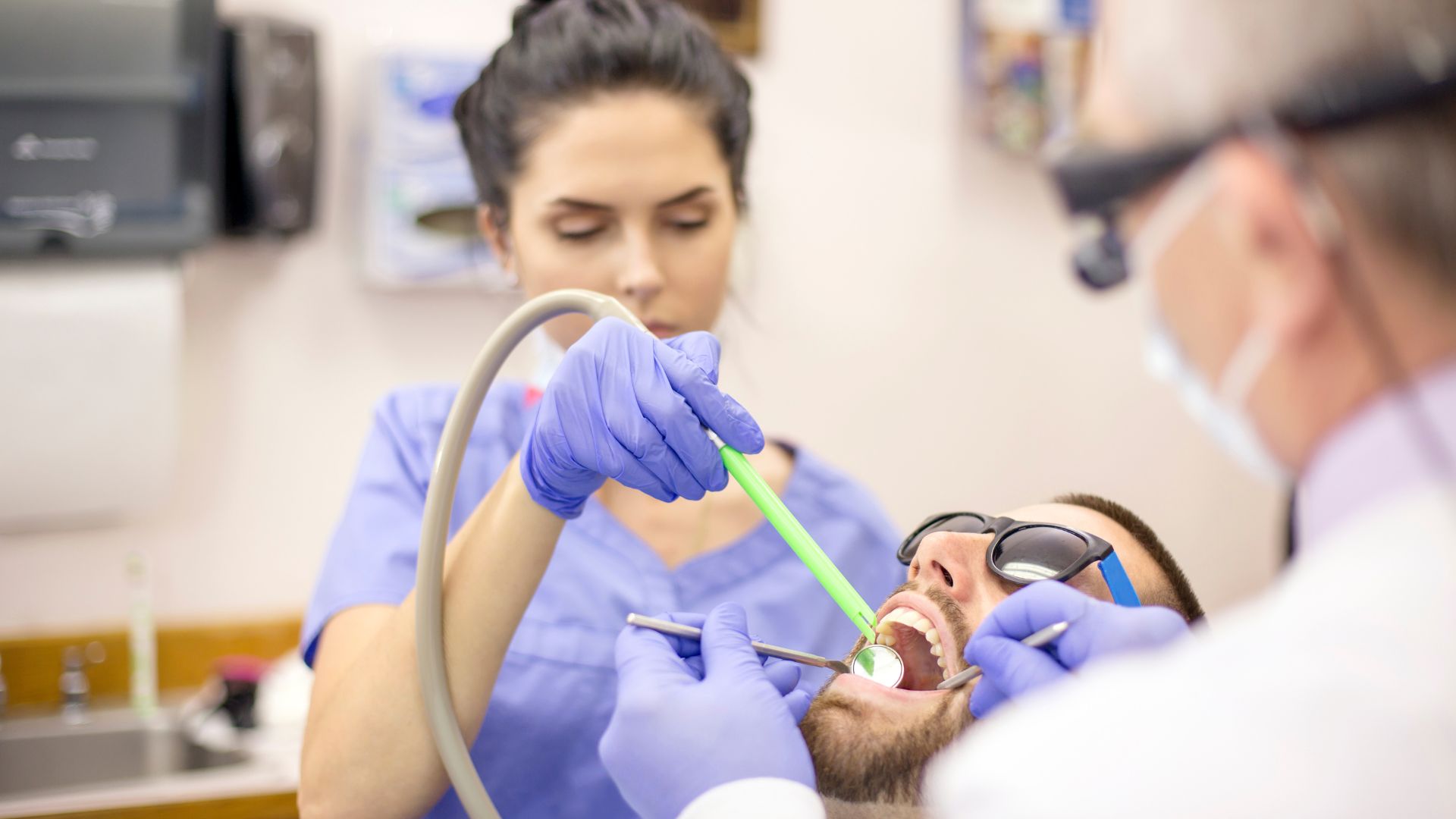
Going to the dentist can be intimidating, especially if you’re not sure what to expect. However, understanding what happens during a dental visit can help ease any anxiety or fear you may have. When you arrive at your appointment, the first thing your dentist will do is review your medical history and ask about any current issues or concerns you have with your teeth and gums. They will also examine your mouth, teeth, and gums to check for any signs of decay or disease. Your dentist may then take X-rays to get a better look at the root structure of your teeth and jawbone. This helps them identify any underlying issues that may not be visible during the physical exam. After reviewing all this information, your dentist will discuss their findings with you and create a treatment plan tailored specifically to address your individual needs. This may include scheduling follow-up appointments for cleanings or more extensive procedures like fillings or extractions.
Throughout the entire process, it’s important to communicate openly with your dentist about any questions or concerns you have. Remember that they are there to help keep your oral health in tip-top shape!
Common Dental Procedures
Common dental procedures are essential to maintain good oral health. One of the most common procedures is teeth cleaning, which removes plaque and tartar buildup that can lead to tooth decay and gum disease. This procedure should be done every six months or as recommended by your dentist. Another common dental procedure is filling cavities. Cavities occur when bacteria in the mouth produce acid that eats away at tooth enamel, resulting in a hole or cavity. Fillings help prevent further damage by sealing off the cavity and restoring the tooth’s shape and function. Root canal therapy is also a common dental procedure used to save damaged or infected teeth from extraction. The procedure involves removing the infected pulp from inside the tooth, cleaning out any remaining debris, and sealing it with a filling material. Dental crowns are another common treatment for severely damaged or weakened teeth. Crowns cover the entire surface of a damaged tooth, protecting it from further damage while restoring its appearance and function. Orthodontic treatments such as braces or aligners are often used to correct crooked teeth or misaligned bites. These treatments help improve overall oral health by promoting proper alignment of teeth for easier brushing and flossing.
There are many different types of common dental procedures available today that can help restore your smile’s health and beauty!
Dental Care Tips For At-Home Care
Taking care of your teeth and gums doesn’t end when you leave the dentist’s office. It is important to continue practicing good oral hygiene at home to keep your mouth healthy between dental visits. Here are some dental care tips for at-home care:
Brush twice a day with fluoride toothpaste: Brushing your teeth for two minutes, twice a day with fluoride toothpaste helps remove plaque and prevent cavities.
Floss daily: Flossing removes food particles and plaque from between your teeth that brushing alone can’t reach.
Use mouthwash: Mouthwash helps kill bacteria in your mouth, freshens your breath, and reduces plaque buildup.
Limit sugary foods and drinks: Sugary foods and drinks increase the risk of cavities. Limit these types of items or brush them immediately after consuming them.
Stay hydrated: Drinking plenty of water throughout the day can help rinse away food particles that cause bad breath while also keeping you hydrated.
Replace toothbrush regularly: Toothbrushes should be replaced every three to four months or sooner if bristles become frayed or worn out.
Taking good care of your oral health starts at home. By following these simple dental care tips, you can maintain strong teeth and healthy gums!
Taking care of your oral health is crucial to maintaining your overall health and well-being. Regular dental visits are an essential part of this, helping you detect any potential problems early on and preventing further complications down the line. When it comes to finding the right dentist for you, take the time to research carefully. Look for a qualified professional who meets your needs in terms of location, availability, services offered, and compatibility with your personality. During a dental visit, expect thorough cleaning and examination along with some common procedures such as X-rays or fillings if needed. Taking good care of your teeth at home through daily brushing and flossing habits coupled with a healthy diet rich in nutrients like calcium and vitamin D can help prevent many oral health issues from arising.
Ultimately building a successful partnership between you and your dentist will lead to better oral health outcomes that will keep both of you smiling brightly. With these tips in mind finding the right dentist for all those routine check-ups should be no problem at all!