
Rest and Recover: Sleeping Tips for a Smooth Wisdom Teeth Extraction Journey
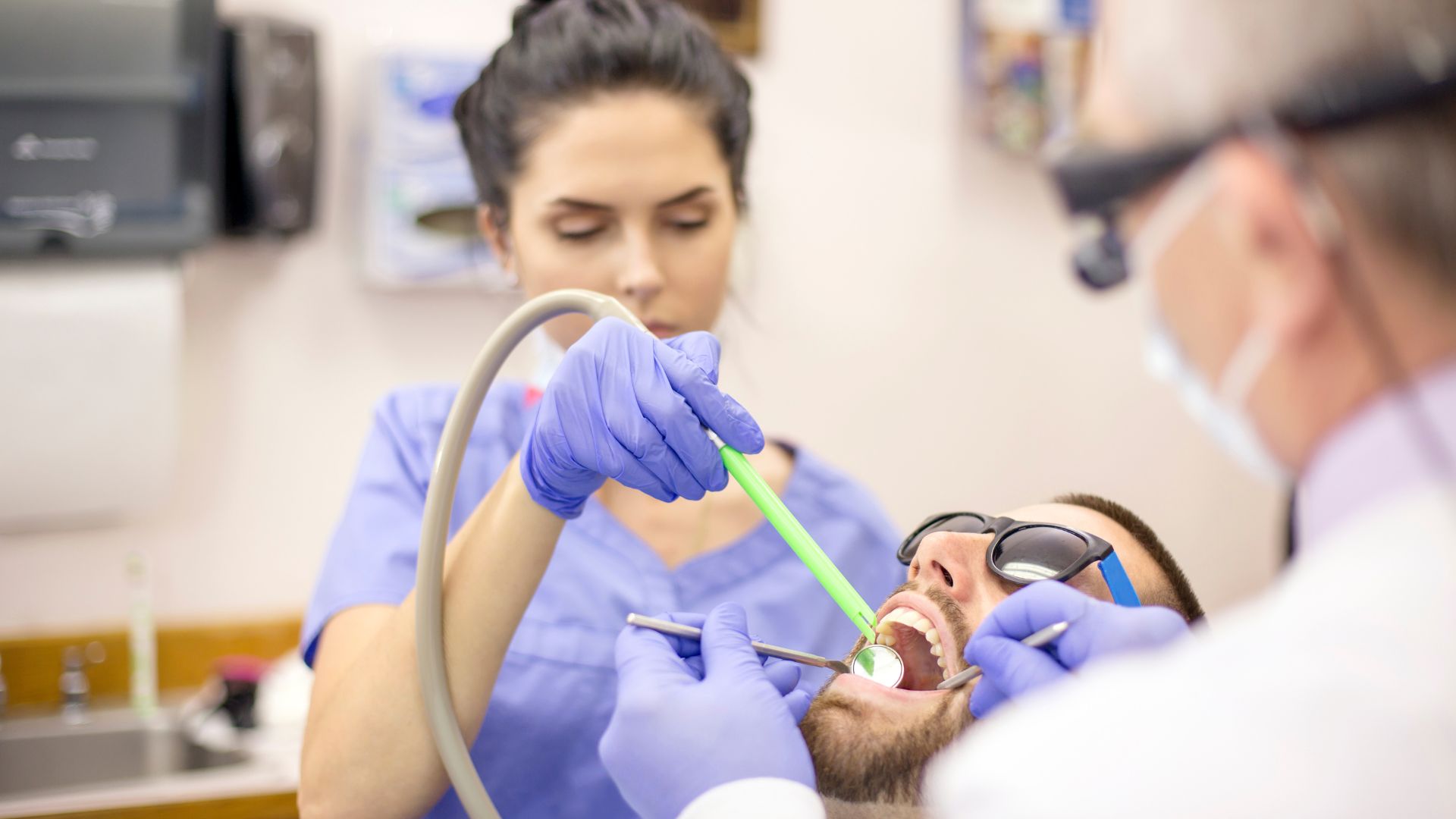
If you’re preparing for wisdom teeth extraction, you’re likely concerned about recovery and ensuring a comfortable sleep during this crucial healing phase. We understand that a good night’s rest is essential for a smooth recovery, and that’s why we’ve curated this comprehensive guide to help you optimize your sleep post-extraction. This blog provides information and practical tips to ensure restful and rejuvenating sleep after wisdom teeth extraction. We’ll address common concerns such as pain management, swelling reduction, and the best sleeping positions to alleviate discomfort. You’ll learn about suitable pillows and bedding choices that offer extra support and promote better sleep quality during recovery. Moreover, we’ll share valuable insights on proper oral care before bedtime and maintaining a clean and hygienic sleep environment to minimize the risk of infection. Our expert advice and recommendations will empower you to take proactive steps to ensure a smooth and successful recovery while enjoying quality sleep. Join us on this journey to discover effective sleeping tips and create the optimal conditions for restorative rest during your wisdom teeth extraction recovery. Together, we’ll pave the way for a well-rested and revitalized healing experience. Incorporating these sleeping tips into your wisdom teeth extraction recovery can optimize your rest and promote a smooth healing process. However, always consult your dentist for personalized advice and guidance tailored to your situation. With proper care and a restful sleep, you’ll be on your way to a swift recovery and improved oral health.
What Are Wisdom Teeth
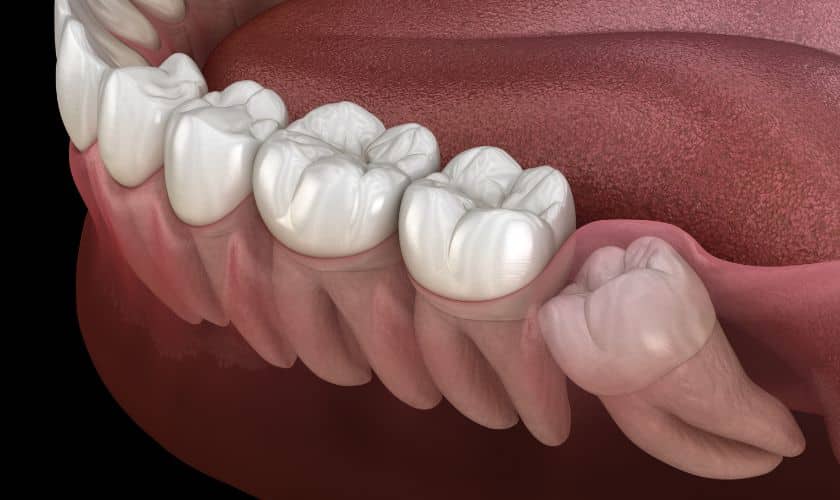
Wisdom teeth, or third molars, are the final set that typically emerges in the late teens or early twenties. Most people have four wisdom teeth, with one in each mouth quadrant. However, some individuals may have fewer or even none at all. The development and eruption of wisdom teeth can vary greatly from person to person. Wisdom teeth often cause problems due to insufficient space in the mouth, leading to impaction. Impacted wisdom teeth cannot fully emerge through the gum line, causing pain, swelling, and potential infections. In such cases, extraction is commonly recommended. Wisdom teeth removal is a common dental procedure. It is often performed by an oral surgeon or a dentist with specialized training. The extraction can be done under local anesthesia, conscious sedation, or general anesthesia. Although some individuals may have sufficient space and experience no issues with their wisdom teeth, it is advisable to regularly monitor their development through dental check-ups to identify any potential problems and take appropriate action if necessary.
Why Wisdom Teeth Need To Be Extracted
Wisdom teeth often need to be extracted due to insufficient space for these other teeth to erupt fully. Impacted wisdom teeth can lead to pain, swelling, and infections. They may grow at odd angles, potentially causing damage to adjacent teeth or the jawbone. Even when wisdom teeth partially emerge, they can be challenging to clean properly, increasing the risk of tooth decay, gum disease, and oral infections. In some cases, cysts or tumors may develop around impacted wisdom teeth, further necessitating their removal. Dental professionals often recommend extracting problematic wisdom teeth to prevent potential complications and maintain oral health. Regular dental check-ups and X-rays can help identify potential issues early on, allowing for timely intervention and extraction if required.
How To Prepare For Wisdom Teeth Extraction?
Preparing for wisdom teeth extraction involves planning and preparation to ensure the procedure goes as smoothly as possible. First, ensure you have someone available to drive you home after surgery, as it’s unsafe to drive yourself under anesthesia. You should also plan on taking a few days off from work or school to allow yourself time to rest and recover. Stock up on soft foods like soup, yogurt, and applesauce in advance so you won’t be tempted to eat anything too hard that could damage your healing gums. It’s important to follow any pre-operative instructions from your dentist or oral surgeon, such as avoiding food and drink for several hours before the appointment. You may also need to stop taking certain medications beforehand if they can interfere with anesthesia or increase bleeding risk. Prepare a comfortable recovery space at home to relax without being disturbed. Gather pillows and blankets so you can prop yourself up comfortably while sleeping, which will help reduce swelling in your face post-surgery. By following these steps ahead of time, you’ll set yourself up for a smoother wisdom tooth extraction experience overall.
Rest And Recovery After Wisdom Teeth Extraction
Rest and recovery after wisdom teeth extraction are crucial for successful healing. After the surgery, you may experience discomfort and pain lasting up to a week or more. It’s important to take it easy and allow your body to heal. One of the best things you can do for rest and recovery is to follow your dentist’s instructions carefully. They will likely recommend avoiding strenuous activity, eating soft foods, using ice packs on your face, rinsing your mouth with a saltwater solution, and taking prescribed pain medications as needed. It’s also important to get plenty of rest during this time. Your body needs extra sleep to heal properly. Make sure you have a comfortable place at home to relax and sleep without being disturbed. Another helpful tip for resting comfortably after wisdom teeth extraction is propping yourself up with pillows while sleeping or lounging. This helps reduce swelling by keeping your head elevated above the level of your heart. Be patient with yourself during this time. Resting will help speed up the healing process so that you can return to normal activities quickly but don’t try returning too soon! Give your body enough rest before engaging in any heavy workloads again.
Sleeping Tips For A Smooth Wisdom Teeth Extraction Journey
After wisdom teeth extraction, getting enough rest and sleep is essential to aid in your recovery. However, sleeping after the procedure can be challenging due to discomfort and pain. Here are some tips to help you sleep comfortably during your recovery period. Firstly, ensure that you have a comfortable sleeping position. It would be best to sleep with your head elevated using pillows or a recliner chair, as this helps reduce swelling and bleeding. Secondly, avoid sleeping on your stomach or the side of the face where the teeth were extracted. This can cause discomfort and even dislodge blood clots necessary for healing. Thirdly, take prescribed pain medication before bed, as this will help relieve any pain or discomfort you may experience while trying to fall asleep. Fourthly, maintain good oral hygiene by gently rinsing your mouth with warm salt water before bed. This helps prevent infections that can hinder proper healing. Avoid eating hard foods such as nuts and popcorn before bedtime as they may scratch the surgical site or cause irritation leading to more pain while trying to fall asleep.
Final Words
Wisdom teeth extraction is a necessary procedure that can cause discomfort and pain. However, you can make the process as smooth as possible with proper rest and recovery. By following the sleeping tips outlined above, you can reduce swelling and promote healing for a quicker recovery time. Remember to follow your dentist’s instructions carefully to ensure a successful outcome. And most importantly, give yourself plenty of time to rest after the procedure so that your body has enough energy to heal itself. By taking good care of yourself during this important time, you can look forward to feeling better soon and enjoying all the benefits of having healthy teeth!