Saving Your Smile: A Guide to Root Canal Therapy
For many, a root canal is a procedure shrouded in mystery and whispered about with dread. But what if we told you that root canal therapy is a routine dental treatment designed to save your tooth, not inflict pain?
What is Root Canal Therapy?
Root canal therapy, also known as endodontic therapy, is a procedure performed to address inflammation or infection within the pulp, the soft tissue at the center of your tooth. This pulp contains nerves, blood vessels, and connective tissue. When bacteria invade the pulp through a cavity, crack, or gum disease, it can become inflamed or infected. This can cause significant pain and sensitivity.
Here’s how a root canal works:
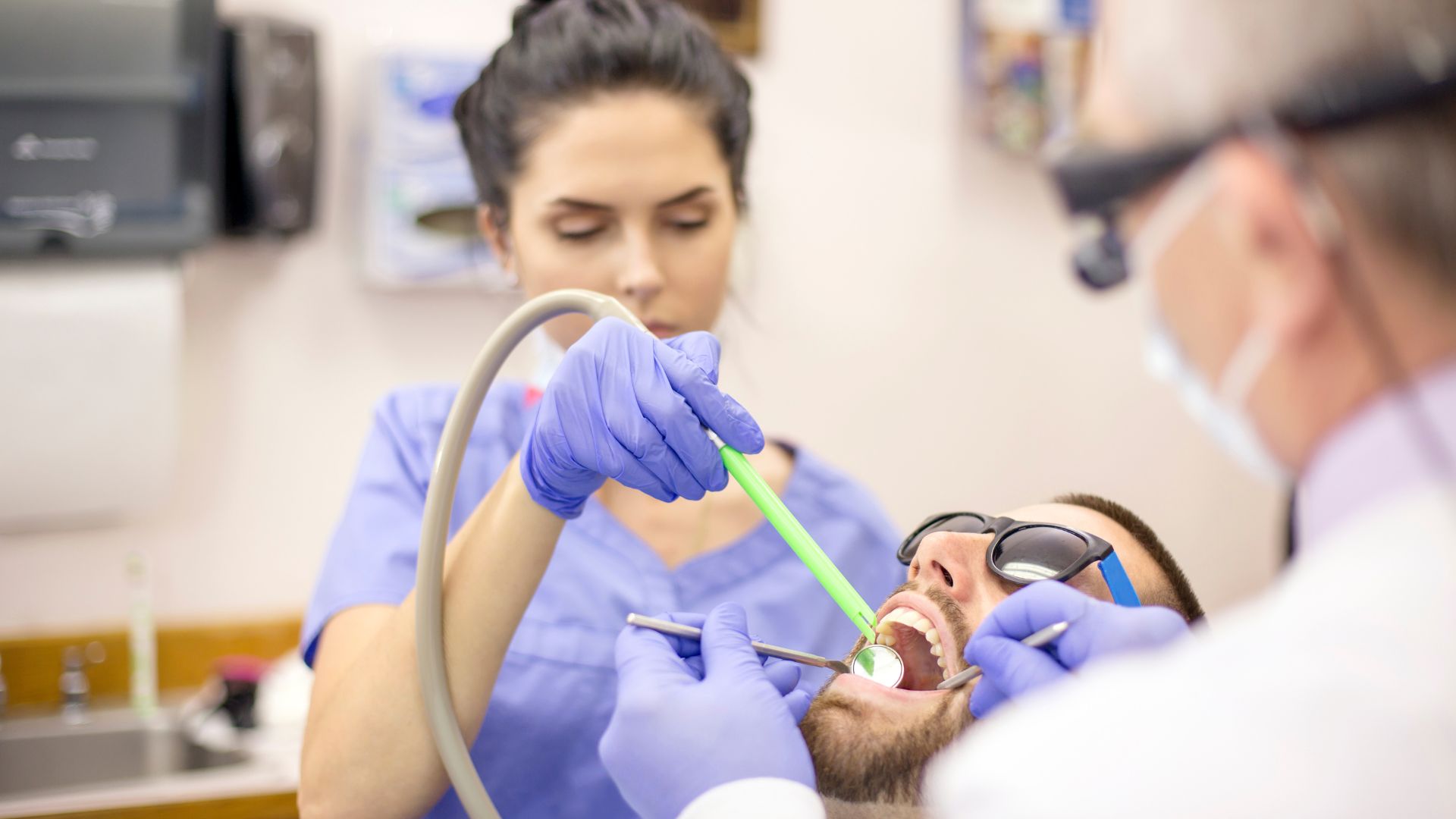
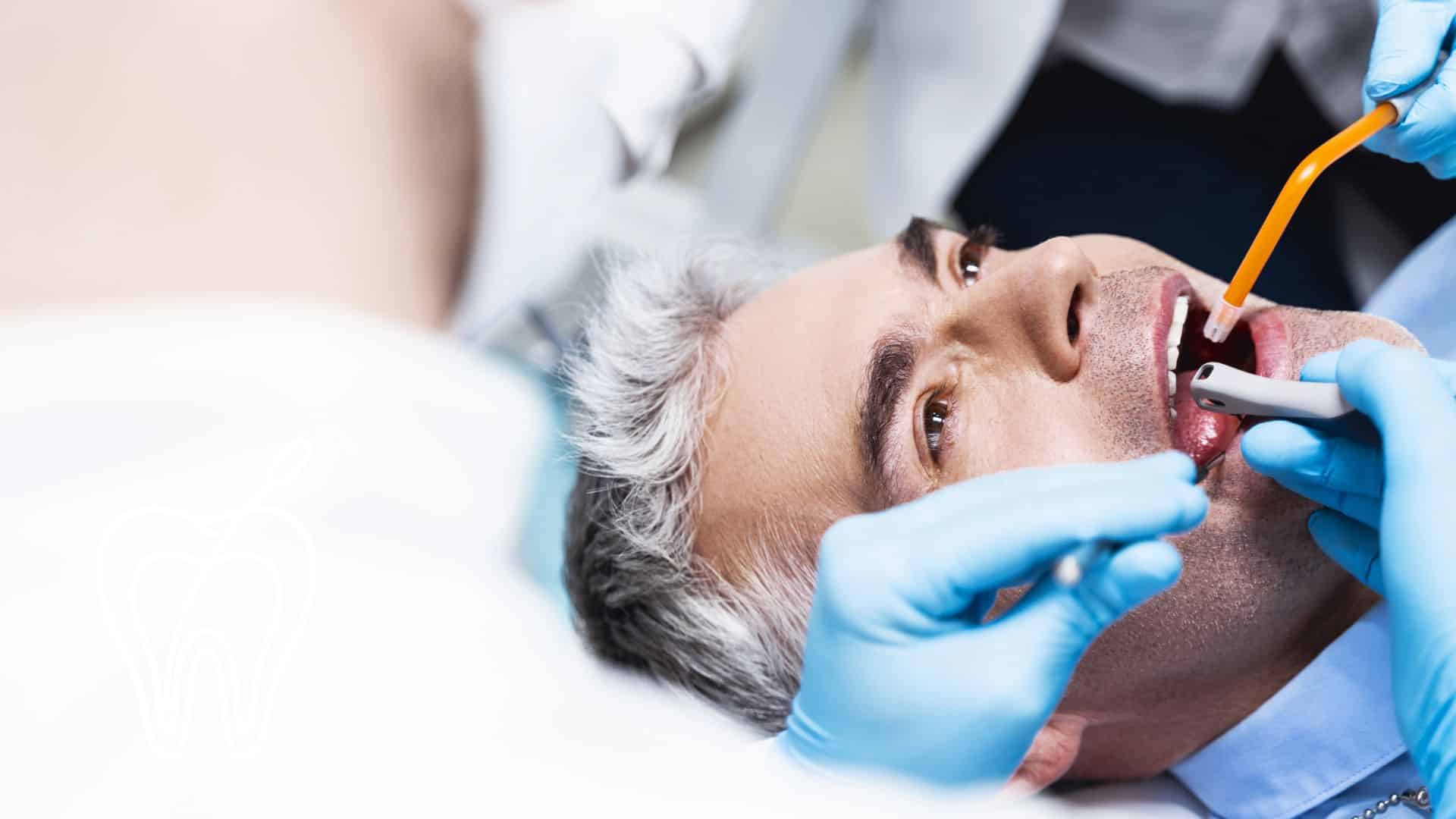
- Anesthesia: Your dentist will numb the area around the tooth to ensure your comfort during the procedure.
- Accessing the Pulp: A small opening is created in the crown of the tooth to access the inflamed pulp.
- Cleaning and Shaping: The infected pulp is carefully removed, and the root canals are cleaned, disinfected, and shaped to receive a filling.
- Sealing the Tooth: The cleaned canals are filled with a special material to prevent reinfection.
- Restoration: A temporary filling is placed on the tooth. In most cases, a permanent crown or filling will be needed to restore the full function and aesthetics of the tooth.
Root Canal Myths Debunked
Myth: Root canals are painful.
Fact: Anesthesia ensures minimal discomfort during the procedure. You may experience some mild soreness after the procedure, but this can be managed with medication.
Myth: Root canals are expensive.
Fact: While the cost can vary depending on the complexity of the case, root canal therapy is generally less expensive than having the tooth extracted and replaced.
Myth: A root canal means the end of the tooth.
Fact: With proper care, a tooth that has undergone root canal therapy can last a lifetime.
Root canal therapy is a safe and effective procedure that can save your tooth and alleviate dental pain. If you’re experiencing tooth sensitivity or pain, don’t hesitate to schedule an appointment with your dentist to discuss if root canal therapy is the right option for you. Early diagnosis and treatment can prevent further complications and preserve your natural smile.